


Chinese that finally makes sense.
What | Literacy + Handwriting
A visual, story-based Chinese program that helps children connect the Chinese they hear with the characters they see, read, and write — while building confidence and cultural connection.
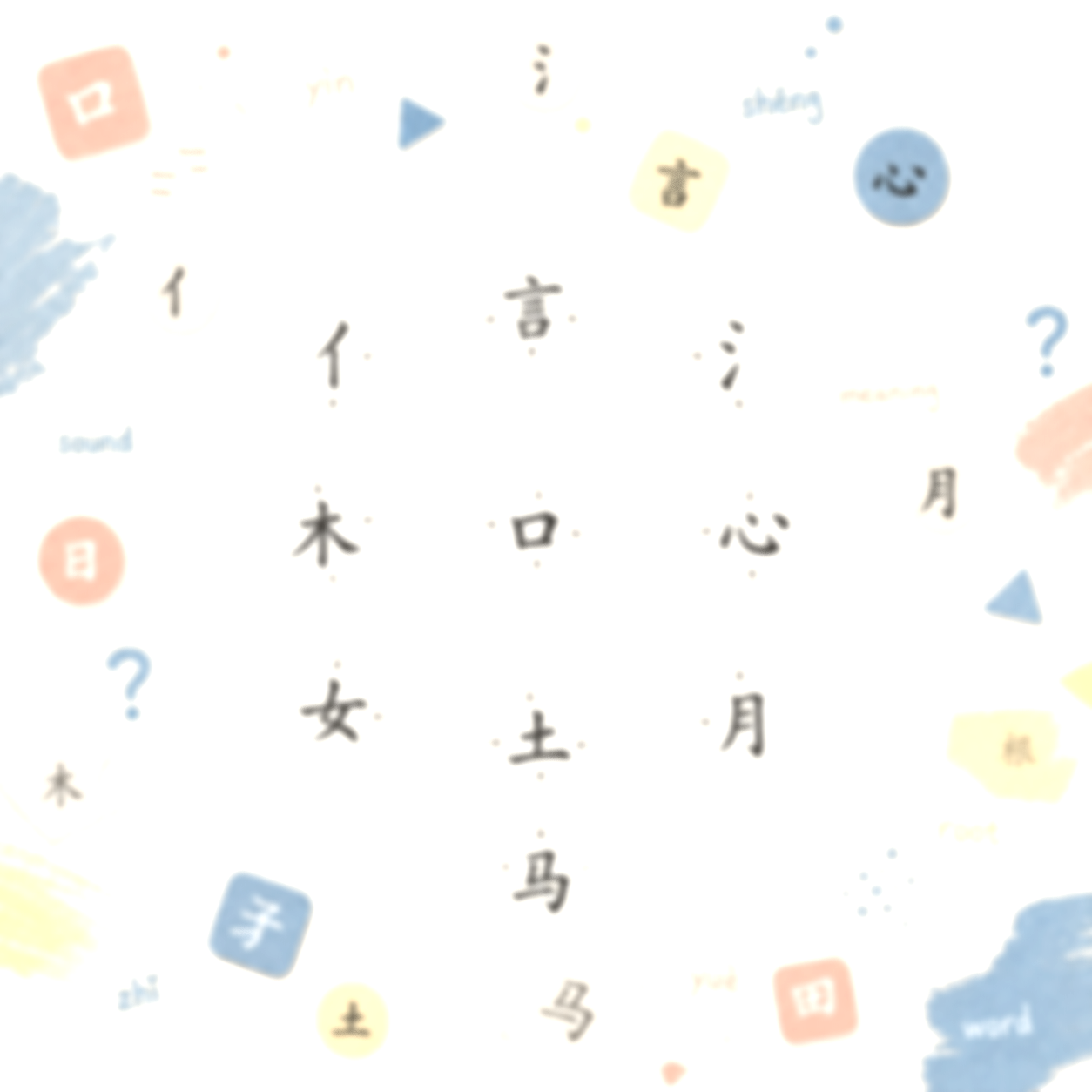
Chinese learning that connects the dots.
Many children understand some spoken Chinese at home but struggle to connect what they hear with reading and writing. Our program helps bridge that gap step by step, turning familiar language into meaningful literacy skills and greater confidence.
From isolated shapes to meaningful patterns
Children begin recognizing how Chinese characters are structured instead of treating every character as a completely separate symbol to memorize.
From weekend homework to real connection
Reading and writing connect with stories, conversation, culture, and everyday meaning, helping Chinese feel relevant beyond worksheets or homework.
Less reminding at home. More confidence in the child.
A clear learning sequence helps children understand what comes next, practice with purpose, and gradually become more independent and confident learners.

A system children can follow.
From “I know that sound” to “I can read and write it.”
Build from Roots
One character root opens a family of connected characters and words, making the system easier to recognize.
Make Memory Meaningful
Images, stories, movement, and context give each character more than one path into memory.
Return at the Right Time
Guided retrieval and spaced review help move learning beyond short-term recognition.
Write with Structure
Posture, pencil control, stroke order, spacing, and character construction develop through a clear progression.
What Learning Looks Like
Listening, recognition, handwriting, conversation, and review work together to build meaningful Chinese literacy.
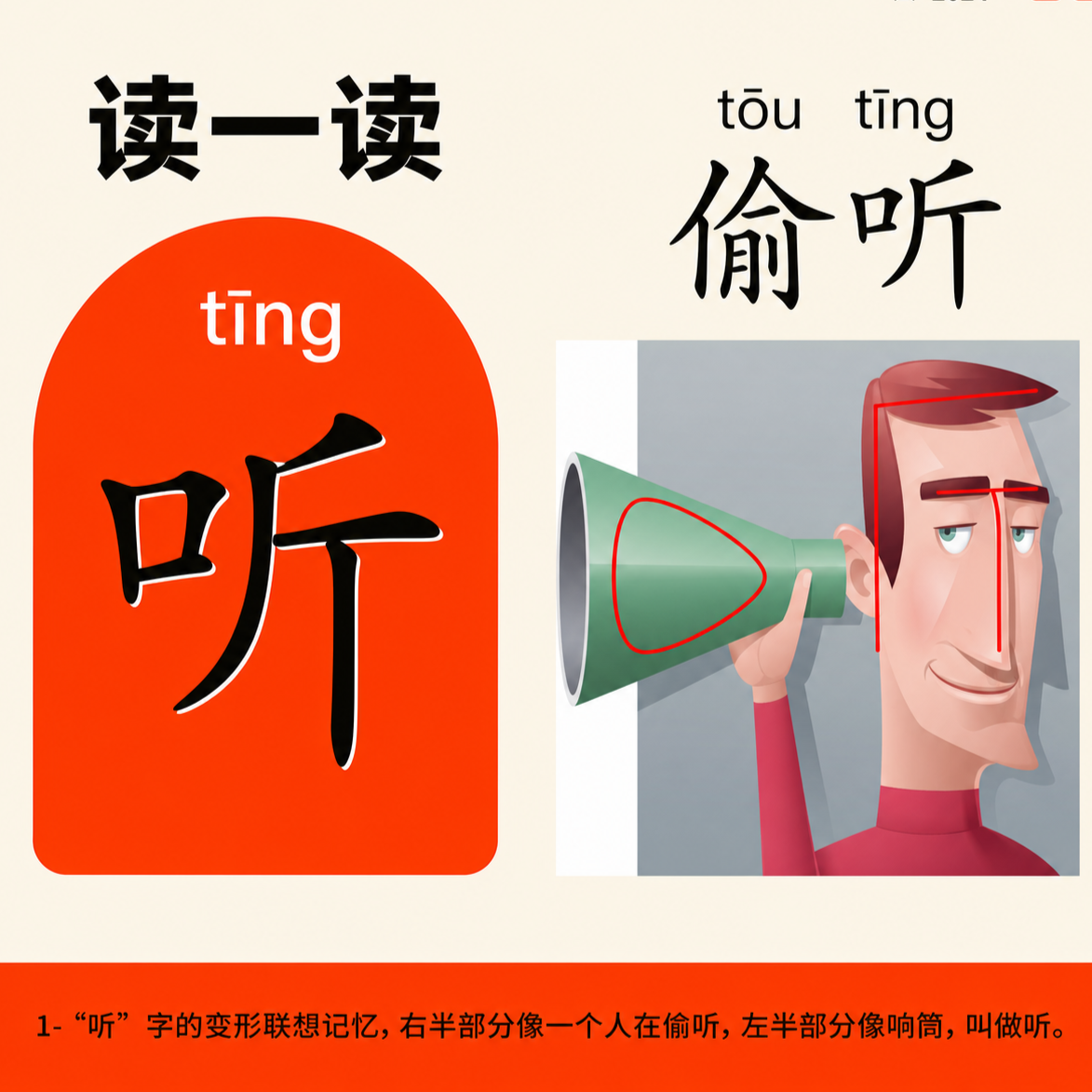
Listen & Recognize
Build familiarity with Chinese sounds, characters, and meaning through visual and listening activities.
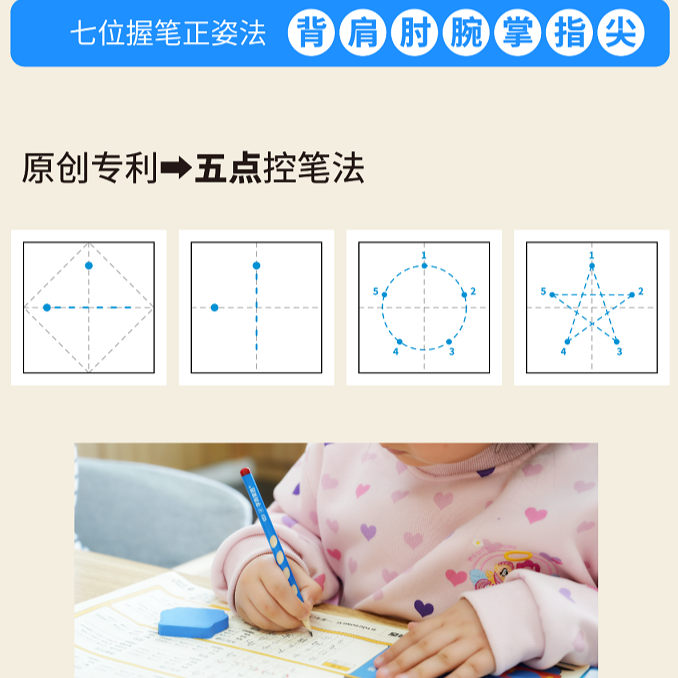
Guided Handwriting
Practice posture, pencil control, stroke order, spacing, and character structure through guided practice.
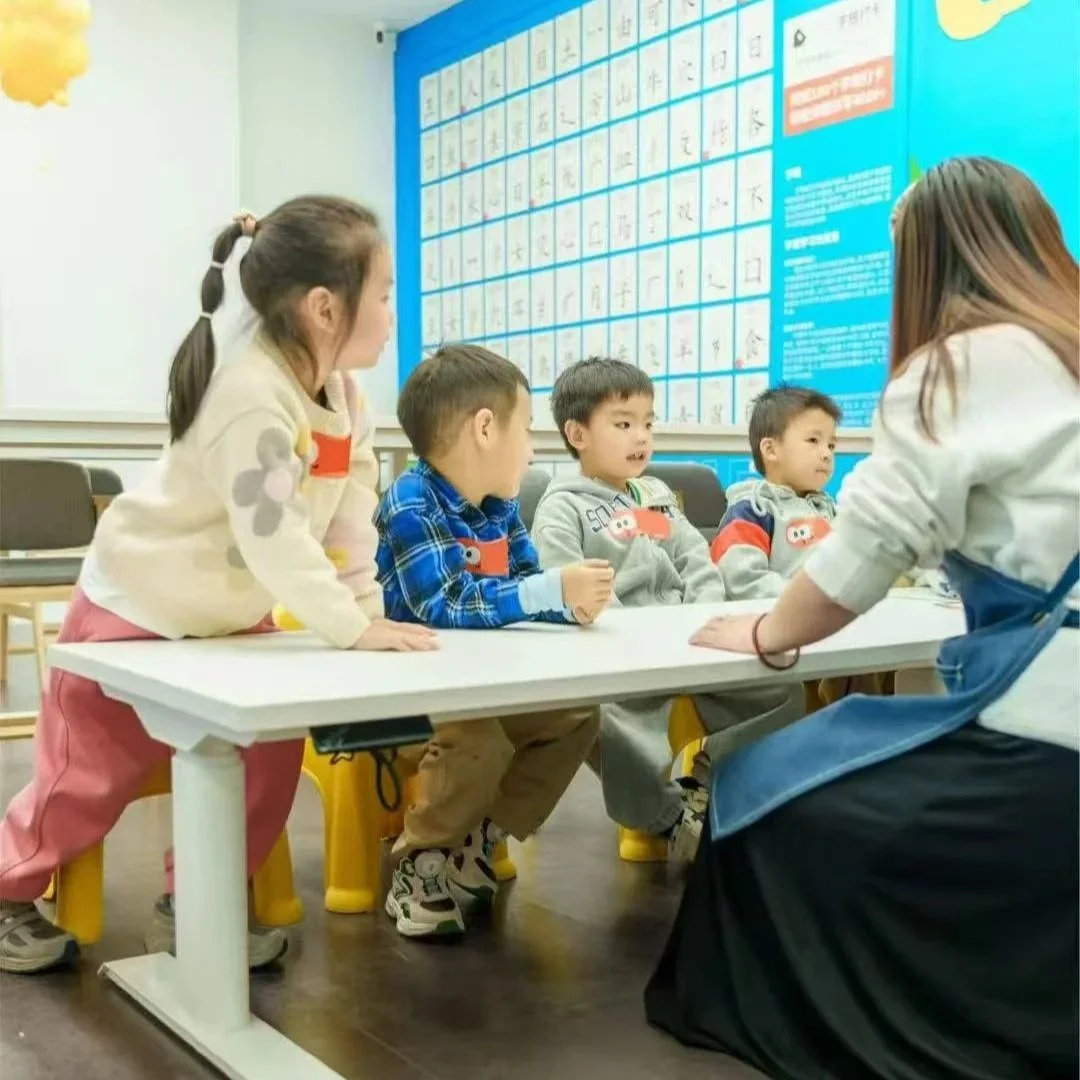
Learn Through Interaction
Connect Chinese with conversation, stories, classroom activities, and meaningful everyday contexts.
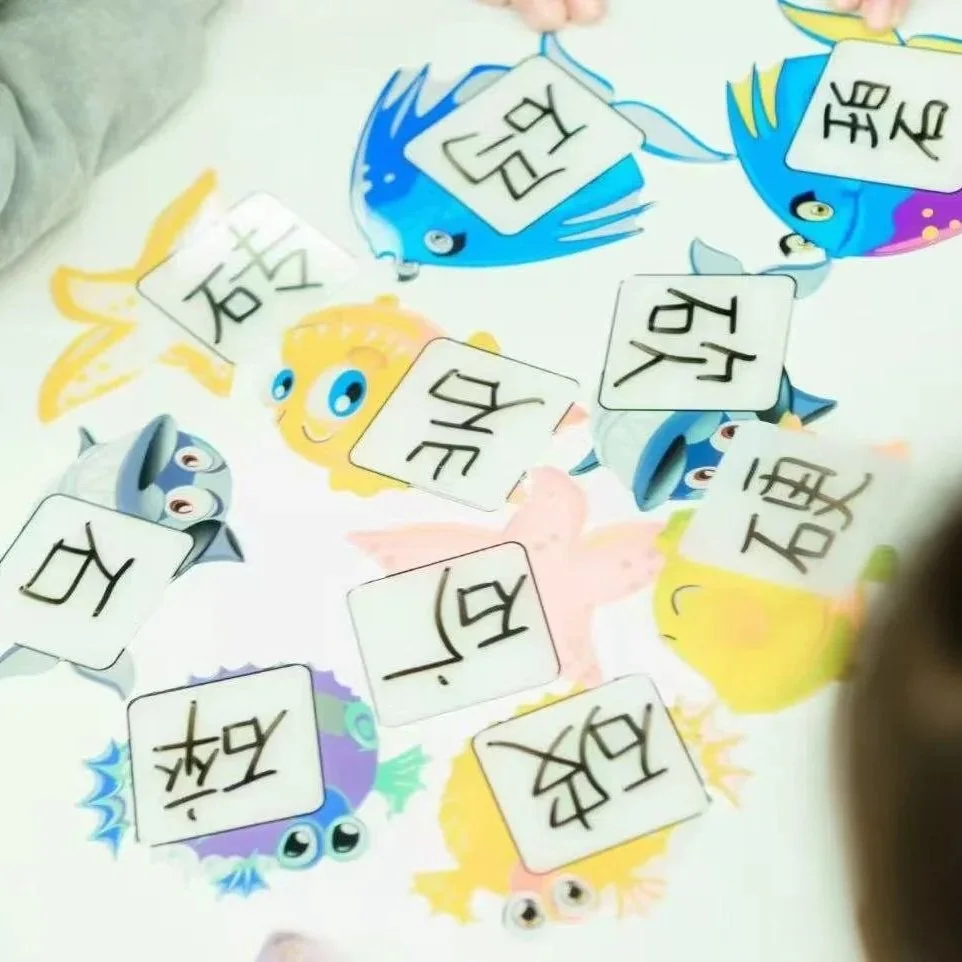
Recognize & Review
Reinforce characters through visual practice, structured review, and repeated exposure over time.

Questions before getting started?
Everything parents usually want to know before their child begins the Chinese Program.
Have another question?
Scan to connect with us on WeChat.

Can my child join without speaking Chinese?
Yes. The program is designed for complete beginners. No prior speaking, reading, or writing experience is required. We begin with sounds, images, character components, and simple vocabulary, then build step by step.
My child thinks Chinese is too hard. Will they feel overwhelmed?
Our classes begin with images, stories, movement, and familiar ideas before asking children to memorize or write. Children discover patterns and connections so Chinese becomes something they can understand rather than a collection of random symbols.
Are classes taught in English or Chinese?
Teachers use clear English support when needed while gradually increasing meaningful Chinese exposure. Children can understand what they are learning without feeling lost.
Will my child forget without a Chinese-speaking environment?
Forgetting is a natural part of learning. The curriculum uses spaced review, bringing characters and vocabulary back at planned intervals through stories, images, games, reading, and recall.
Should my child start with literacy or handwriting?
Literacy develops character recognition, vocabulary, and reading connections. Handwriting focuses on pencil control, stroke order, spacing, and character structure. The best starting point can be recommended after a brief assessment.
How will I know my child is making progress?
Progress is more than the number of characters learned. Families may notice children recognizing patterns, remembering with less prompting, reading familiar words, and using Chinese with growing confidence.
Ready to begin?
Explore our Chinese literacy classes and choose the program that best fits where your child is starting.
Introductory Literacy
A starting point for children beginning to build familiarity with Chinese characters, sounds, recognition, and meaning.
View Class & Register →Reading & Character Literacy
Continue developing character recognition, reading connections, vocabulary, and confidence through structured literacy practice.
View Class & Register →