AGES 8–13
UBABY LAB
Project-Based Art, STEAM & Visual Expression
Where art becomes a way to see the world.
UBABY LAB helps children strengthen observation, artistic technique, creative thinking, and visual expression through interdisciplinary projects that connect art with culture, science, design, and the world around them.
Why STEAM, not just STEM?
Many programs teach children to solve problems. UBABY LAB helps children learn how to see them first
STEAM adds the A because art gives children a language for observation, imagination, emotion, and meaning. In LAB, science, technology, engineering, and math are not separated from creativity. They meet through materials, movement, light, color, space, design, and real questions from everyday life.
Science
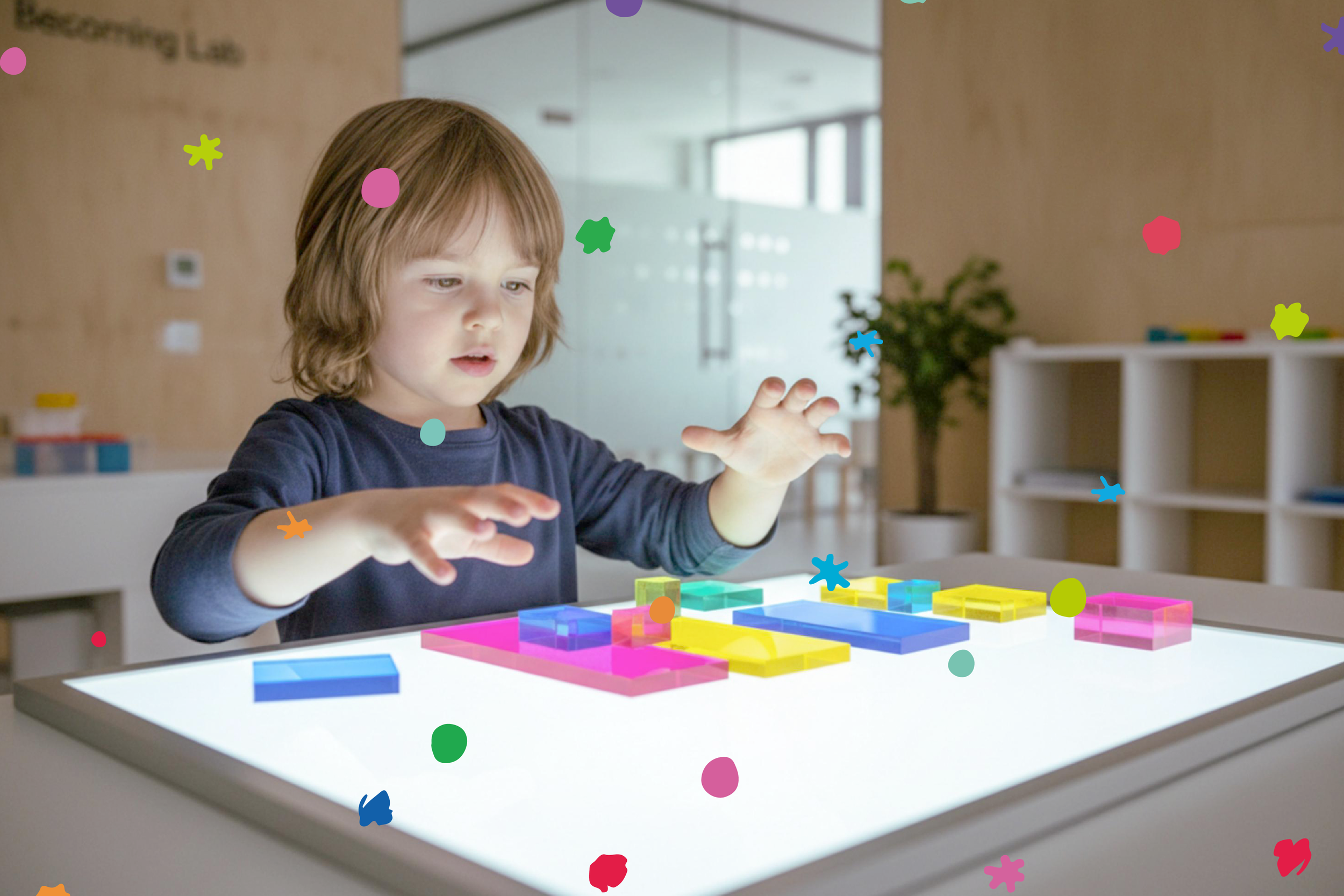
Children observe light, nature, motion, texture, and cause and effect.
Technology
Children explore tools, systems, visual media, and how ideas travel.
Engineering
Children build, test, adjust, and understand structure through making.
Art and Math
Children use color, scale, rhythm, pattern, balance, and composition to communicate.
THE LAB RHYTHM
Question, discover, create, share.
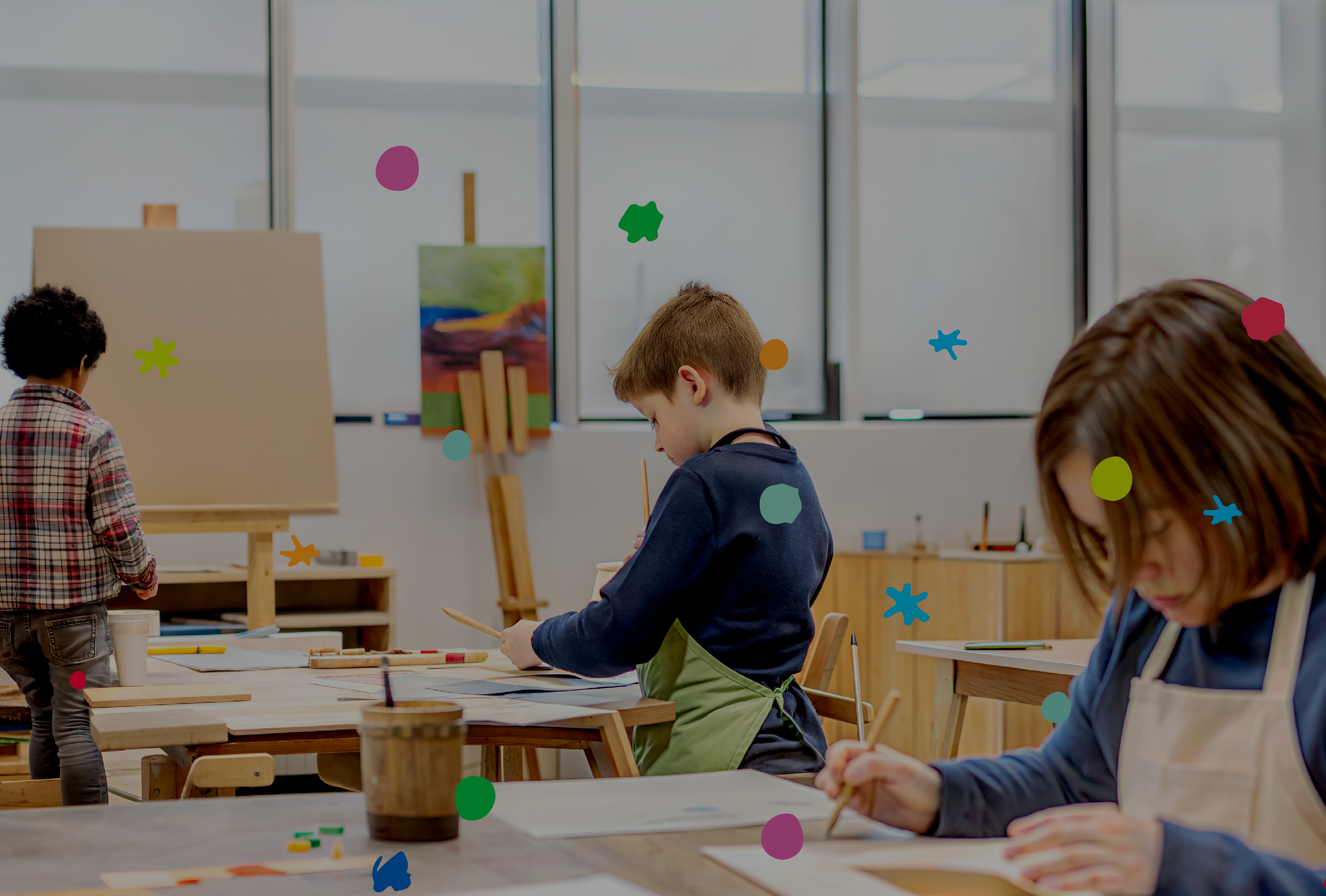
Children do not begin with a sample to copy. They begin with a question from the real world, then turn observations into drawings, models, installations, design ideas, and visual stories.

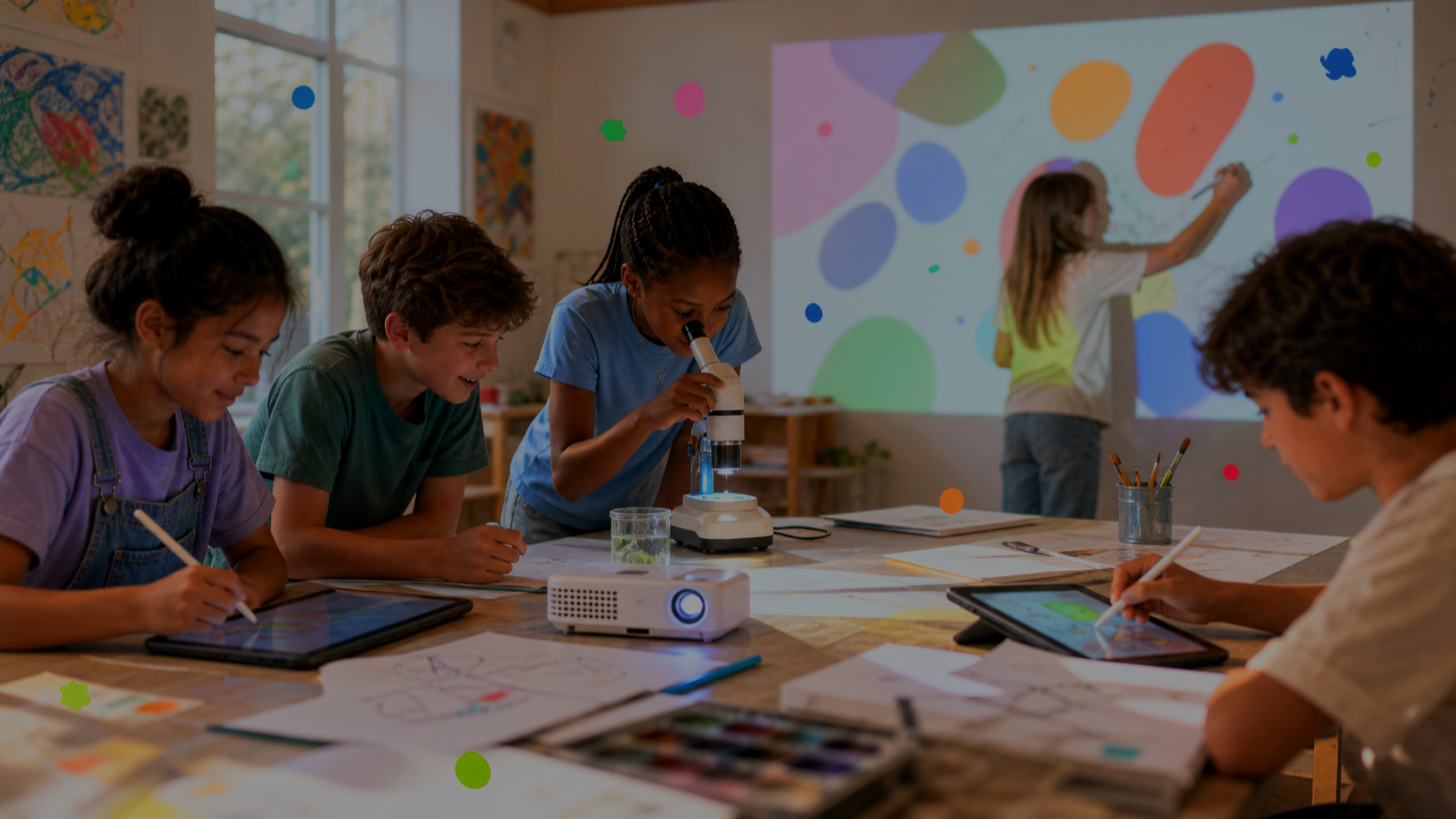
The artwork is visible. The real growth is how a child begins to think.
UBABY LAB helps children connect observation, understanding, and artistic expression, turning creativity into a habit of questioning, thinking, and making.
Who is UBABY LAB for?
For children ready to move beyond step-by-step projects and explore their own ideas through art, STEAM, experimentation, and creative thinking.
Curious Children
For children who enjoy asking questions, exploring new ideas, and discovering how things connect.
Growing Artists
For children ready to experiment with materials, techniques, and their own creative point of view.
Developing Creative Voices
For children who enjoy making choices, solving problems, testing ideas, and explaining their thinking.
Projects that feel alive, not pre-made.
Children observe, experiment, build ideas, and share their thinking through meaningful creative work.
Observation & Visual Thinking
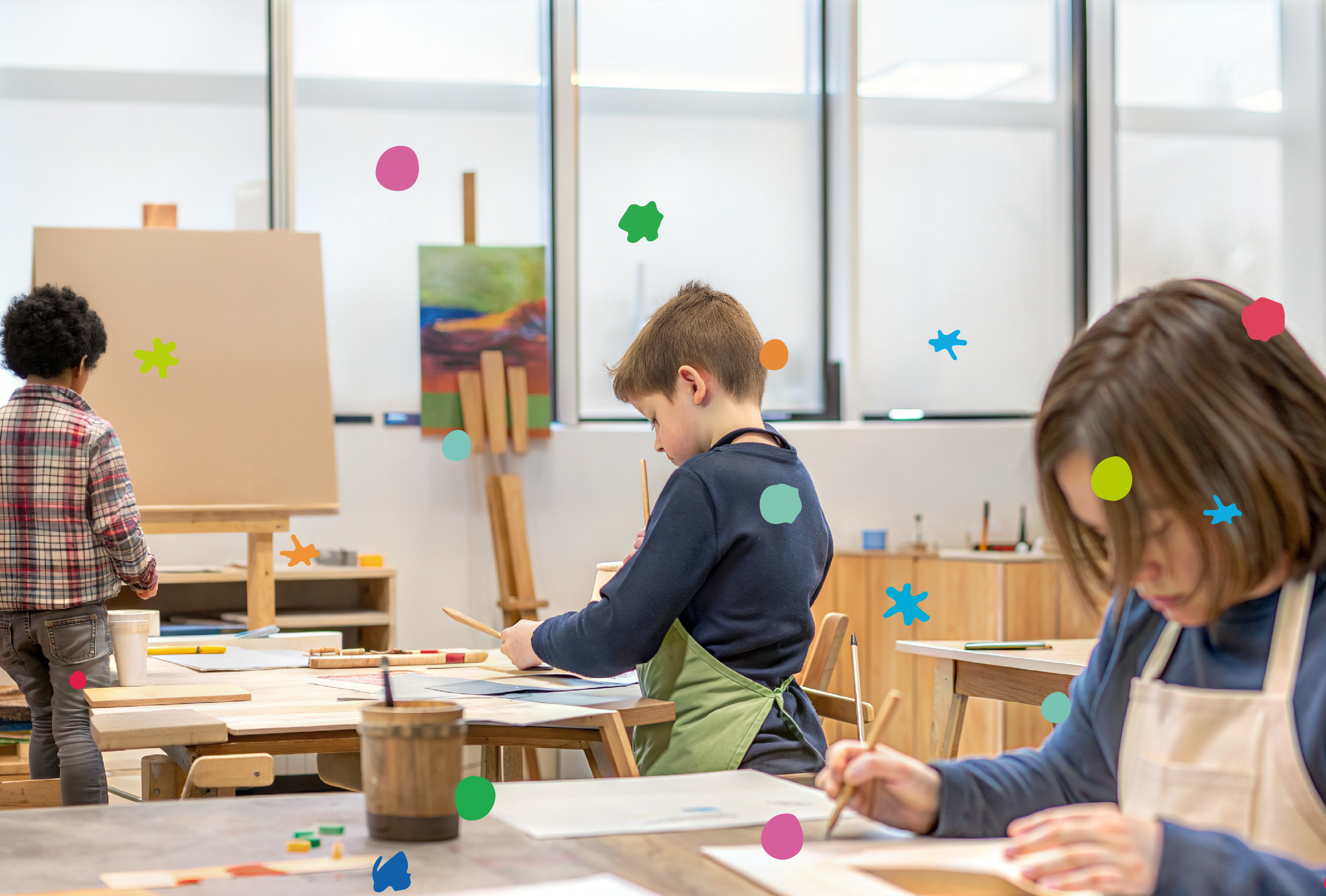
Children learn what to look at and how to look, identifying features, patterns, form, and relationships before translating what they see into visual expression.
Technique & Artistic Skills
Children develop stronger skills in composition, modeling, color, perspective, texture, and the use of different materials and techniques.
Creative Expression & Personal Style
Children learn to make aesthetic decisions, plan their artwork, express ideas visually, and gradually develop their own artistic voice.
The best moment often happens after class.
A parent may expect to ask, “What did you make today?” But after LAB, the conversation often becomes something more meaningful.
““Mom, do you know why milk is always at the back of the supermarket?”
“Dad, do you think this rule is fair?”
“If I designed this sign, I would make people notice it differently.””
Ready to explore UBABY LAB?
Find an upcoming UBABY LAB class and choose the time that works best for your child.